Here’s an authoritative guide to Electives for homeschool high school.

An Authoritative Guide to Electives for Homeschool High School
Which electives should your homeschool high schooler take? With so many possibilities, choosing can feel exciting—and a little overwhelming!
Electives give your teen room to explore interests, develop practical skills, discover gifts, and investigate possible careers. You do not need to squeeze every good idea into the high school years. Start with your teen’s goals and choose experiences that fit your family’s time, resources, and needs.
There’s not ONE right way to homeschool high school! In this guide, we’ll help you choose electives, develop a course from an interest, and plan how to document and evaluate your teen’s learning.
This post will cover the following topics:
- How do you know how many electives your teens should complete?
- What is the difference between an electives and an extracurriculars?
- How do you pick the right electives?
- Counting internship hours- how does it work?
- Homeschool co-op: How to handle electives.
Electives for Homeschool High School: How do you know how many electives your teens should complete?
As you know, there’s not ONE right way to homeschool high school. But it helps to have guidelines.
Here are the ones we use:
Know how many electives your teen needs and include at least that many. Most states require 24-26 credits for graduation. Core classes like Language Arts (English), Maths, Sciences, Social Studies and World Languages take up 16-20 of those credits. The remaining credits are spread between Physical Education, Fine Arts requirements and Electives. You can find your state laws for graduation requirements at your state’s Department of Education website, your local homeschool organization or Homeschool Legal Defense’s website.
Here’s something important you need to know:
It is a good idea to include at least one elective each year. This is not hard to do. Keep reading, we will give you ideas.
Also, know that your homeschool high schoolers CAN graduate with more than 24-26 credits. They can put as many credits as they desire on their transcripts. SO, build as many elective credits as your teens need. Need some ideas? Our friend, Betsy, has a list of 100 elective ideas.
(Here is a post with more details on what to include on the homeschool transcript.)
What is the difference between and electives and an extracurriculars?
To keep it short and sweet, electives are recorded in the course section of the transcript. Teens get credit for electives. Extracurriculars (while just as important as electives) are not recorded as courses. Teens do not earn credit for extracurriculars. Here’s a post with detailed information on the differences and why you need both.
Start with your teen’s goals and available time.
Before choosing electives, take a few minutes to talk with your teen. What would they enjoy learning? What skills would they like to develop? Their answers can help you choose a course that feels meaningful to them.
Here are a few questions to discuss together:
- What would you like to explore or get better at? Think about favorite activities, subjects that spark curiosity, or something your teen has always wanted to try.
- What practical skill would help you now? Cooking, managing money, communicating clearly, or learning basic repairs could be useful starting points.
- Would you prefer a class, an independent project, or a hands-on experience? Consider how your teen likes to learn and what support they might need.
- How much time can you realistically give this course? Look at your teen’s other classes, work, family responsibilities, and need for downtime before adding another commitment.
If your teen is unsure, offer a few possibilities without expecting an immediate decision. A short project, introductory class, or conversation with someone working in an interesting field can help them discover what they would like to explore.
You do not have to fill every space in the schedule. Start with a manageable choice and leave room to adjust as your teen learns more about their interests.
Remember: There’s not ONE right way to homeschool high school—one thoughtfully chosen elective can be a wonderful next step in helping your teen discover and develop their God-given gifts!
Electives for Homeschool High School: How do you pick the right ones?
Elective ideas to match your teen’s goals:
Need a few ideas to get the conversation started? Use these suggestions to explore what interests your teen.
| If your teen wants to… | Electives to explore |
|---|---|
| Create something | Photography, filmmaking, creative writing |
| Develop practical skills | Cooking, home maintenance, financial literacy |
| Explore a career | Career exploration, introductory business, early childhood education |
| Understand people and ideas | Psychology, philosophy, human development |
| Build technology skills | Coding, web design, digital media literacy |
There are SO many ways to choose electives. Here is a post on choosing electives wisely.
Here’s details on How to Turn Interests into Electives.
Here are a few of our favorite ways to choose electives:
Explore an interest
Many teens already have interests. Some teens have hobbies, arts, sports, fitness, school subjects or service areas that they have naturally developed on their own. They are already working on an elective without even trying.
This is an “organic” elective, because your teen naturally does them. (Remember, all of life is education, so capture these organic electives on the homeschool transcript.)
To capture these credits for the transcript:
- Complete a textbook on the subject. For instance, many teens who are interested in Science will take extra Science courses that will be counted as Science electives. These can be topics like: Marine Biology, Anatomy and Physiology, and Astronomy.
- Log hours on what they are doing with their interest and have write a course description for your records. Here’s a post on how to earn credits that explains logging hours.
- Here’s a post about ways to turn this a cinematography interest into an elective credit.
- Or try some Lyric Writing.
- For instance, you can combine book-learning and experiences. A good example of this is History elective. Teens with a special historical era or historical topic of interest can build a unique History elective. Here’s a post with how-to ideas.
- Or capture things your family naturally does, such as religion, as an elective.
Read about how Sabrina’s son Sam earned a film-making credit while in high school.
Or check out;
- this post on history electives.
- Here’s why you should consider Christian Apologetics for your teen
When teens are investing in an interest, it helps them own their education.
Develop a life skill
Homeschool high schoolers, like all teens, need life skills. Several important life skill electives include:
Home Economics
- ALL teens need to be able to care for themselves. Here’s a post that gives specific how-to’s on creating a Home Economics credit.
- Have fun with a great home ec/life skills elective with gardening. Here’s a post from our Cousin Sarah May that tells how to create a gardening elective (along with some downloadable freebies for your record keeping).
Financial Literacy
- Teens need to learn to manage money, create budgets, plan for the future and all those adulting skills that Americans often have problems handling. One of 7Sisters’ most popular courses is our interactive Financial Literacy from a Christian Perspective course. (Financial Literacy may be recorded as a Math instead of elective.) Here’s a post on why our Financial Literacy course is awesome and how to use it.
Human Development
- Most homeschool high schoolers will benefit from 7Sisters’ popular course: Human Development from a Christian Worldview. This texts trains teens in understanding the ways people grow and change from womb to old age. This is useful in dealing with siblings, parents and grandparent. (This could instead be counted as a Social Science credit.) Why teach Human Development? Check out this post.
Public Speaking
- Even though many people would rather die than do public speaking, most people will be required to do a presentation of some kind, sometime in life. When teens learn the how-to’s of Speech in an understandable, doable format, they can ditch their fear and have fun instead. That’s what 7Sisters’ delightful Speech curriculum is about!
First Aid
- Many teens have access to Red Cross courses that will prepare teens in First Aid, Babysitting and CPR skills. (These could instead be included in a Health credit.)
Discover an Interest or Skill
Many teens will tell you they do not really have an interest yet. This is often embarrassing to them because they feel pressure to be “interested” and involved. I always tell them not to worry! They simply have not found their interests yet. However, they probably will not until they explore a bit. Do new things. Take some completely different courses.
Make the most of your teens’ interests!
One of the most meaningful positives of homeschooling high school that we have found is the fact that we can create electives for the transcript that reflect our teens interests! Teens in traditional school settings can develop interests also, but to a much more limited degree. By homeschooling these pivotal years, teens could spend lots of time exploring and developing interests. Then they could capture them to create a powerful transcript!
In other words, interests can become excellent electives for the homeschool transcript!
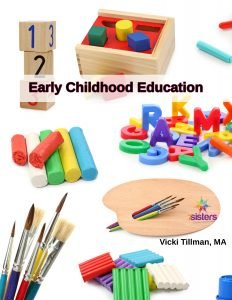
One good example of this is 7Sisters’ practical course: Early Childhood Education. While the course is specifically preparation for training in becoming a preschool teacher, any teen who might want to become a parent someday will benefit is understanding skills that they can use educating their own kids.
Steward a gift
God gave each teens gifts. All people are gifted. That doesn’t mean they are naturally THE BEST at that gift, it just means they are good at it. Gifts from God are not comparisons, they are preparations for service. As homeschool high schoolers discover their gifts, they would be wise to steward them/grow those gifts.
Here are a few gifts we’ve seen and a way to nurture that gifting:
- Working with their hands. Find apprenticeships (see below).
- Art. Here’s a pdf to help you get started.
- Music. Here’s a Homeschool Highschool Podcast episode with great tips. Also, check out the wonderful self-paced online Music Appreciation courses at Music in Our Homeschool.
- Drama. Have you seen 7Sisters’ Drama resources? Teens love them! Here’s a post on how to handle drama.
- Words.
- Kindness and compassion.
- Serving. One of our favorite resources for digital service opportunities is this episode from our friend, Meryl at Homeschooling with Technology.
Sometimes teens will feel like they haven’t discovered any gifts. We need to remind them that God gives each person some kind of gift. That doesn’t mean they are naturally THE BEST at that gift, it just means they are good at it.
Gifts from God are not comparisons, they are preparations for service.
- Here’s a post about helping teens find their callings. Here’s a post to help your teens develop their gifts. Add sparkle to the transcript.For homeschool high schoolers who are college bound, they need to know that college admissions officers are often looking for transcripts with *sparkle appeal* or *pop*. Transcripts that sparkle are those that stand out from all the exact-same-looking transcripts of other applicants.To add some sparkle to the transcript, try:Out-of-the-box coursesIt is a good idea to give your teens some completely out-of-the-box courses for their homeschool transcripts. Sometimes in doing this, you will open a whole world of discovery and personal development (and they definitely give the college-bound transcript the non-generic courses that colleges like to see).
How many of your homeschool high schoolers’ friends will have Philosophy on their transcript? How many will have a full speech credit? These are definitely sparkle courses.
Here is a big list of electives to help you and your teens plan.

Cover basic needs like Career Exploration and Drivers Ed
Most teens will take Drivers Ed during their high school years. This is often a 1/4 credit course with a Pass/Fail grade. It should go in the elective section of the transcript as “Drivers Education”.
One of THE most important courses to cover in homeschool high school is Career Exploration.
While it might not be required in all states for graduation, think about this: Why would you turn a teen loose without any idea of where to go for college major or career choice? That is an expensive and time-wasting idea! Even if teens later change their minds, they at least need a solid start for post-graduation.
Some states DO require Career Exploration electives. Our local state (Delaware) requires 3 Career Pathways elective credits. (These include Career Exploration, internships, special trainings, etc.)
The first Career Exploration credit that many teens need is a comprehensive exploration of the topic.
Teens need to know themselves and God’s will in order to narrow down career choices. A good Career Exploration course will at least cover the basic understandings of:
- God’s will
- How He has worked in their lives
- The giftings from God in their lives
- Their own weaknesses
- Interests and abilities
- Career values
That’s exactly what 7Sisters’ popular Career Exploration textbook does (and more).
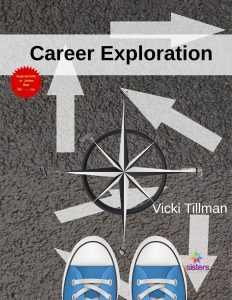
Teens have been using this course for years and finding it useful in making these life decisions.
- Some teens have so many interests it is hard for them to narrow it down. Here’s a Homeschool Highschool Podcast episode for teens who love everything.
- Other teens don’t have a clue about what they should do or where to start. Here’s a Homeschool Highschool Podcast episode for these teens.Once your homeschool high schoolers have completed their basic Career Exploration, they can extend that learning through shadowing, apprenticeships/internships, special courses, special training and more. Here’s a post with ideas.While you’re at it: Here’s a creative way to turn Career Exploration into a Language Arts credit.
Back to the importance of doing internships/apprenticeships. Here is some more information
How will your teen count internship hours?
Why should homeschool high schoolers do an apprenticeship or internship? The best way to know if a career will be a good fit for a teen is to try it out in some way. Sometimes teens can shadow a person in their chosen career area. Sometimes they can find some sort of apprenticeship. Either way, have your teens make sure their experience has clearly defined beginning and ending times, they know what is expected of them and that you have trained them with good work attitude and soft skills. Here’s a post from Vicki Tillman Coaching about the necessary soft skills for work.
Many teens are working during their high school years. Give them credit. Here’s a post that gives some how-to tips.
How do you record internships on the transcript?
Many homeschool high schoolers do earn internship credit as one or more of their elective credits for the homeschool transcript. When recording these credits, you may record the credit as a Career Exploration Internship, or any other title that fits your needs. Here’s a post that tells you how to break down the amount of credit for the transcript.
How do you assign grades for high school electives?
There’s not ONE right way to grade every elective! The approach you choose should fit what your teen is learning and how they will demonstrate their skills. Decide on expectations before the course begins so your teen knows what successful work looks like.
Here are three approaches to consider:
Use assignments and assessments for textbook-based courses
If your teen is using a curriculum with assignments, quizzes, or tests, those can help you determine a grade. Decide how much each part will count toward the final grade, using the curriculum’s guidance when available.
For example, a course might include chapter assignments, quizzes, and a final project. Explain the grading plan to your teen at the beginning.
Use a rubric for projects and hands-on learning
For electives such as photography, filmmaking, or cooking, a rubric can help you evaluate your teen’s work. A rubric describes the skills you are looking for and what different levels of achievement look like.
For a photography project, you might evaluate composition, use of lighting, application of techniques, and the teen’s ability to explain their choices. Share the rubric before the project begins so your teen can use it as a guide.
An activity log can document time spent learning, while projects and demonstrations provide evidence of what your teen has learned.
Consider pass/fail when it fits the course
Pass/fail may be an option when it fits your homeschool’s requirements and your teen’s future plans. Before choosing it, check any expectations of programs or schools that will review the transcript.
Define what your teen must accomplish to pass. For example, you might require completion of specific lessons, demonstrations of key skills, and a final project. This gives your teen a clear goal and helps you document the outcome.
Whatever approach you choose, keep a brief record of your grading criteria and a few examples of completed work. Grading does not need to be complicated—it can be a helpful way to recognize your teen’s learning and celebrate their progress!
How can you handle electives at co-op?
Homeschool high school co-op is a perfect place to explore elective courses! Teens have the opportunity to discuss and learn from each other. They are sure to give each other (and you) the pros and cons of their elective experiences.
Sometimes, teens learn about a topic in co-op class, then practice, study or explore more on their own. Sometimes (especially when the co-op is using a textbook) the class may be all the exploring that some students want. Some students may want to go beyond the textbook and find a shadowing or apprenticeship to follow up on what they learned. For instance, some of our 7Sisters’ high schoolers did a Cinematography class together. Then one of them, who REALLY liked the subject, found a 6-week apprenticeship at a local advertising agency that created television advertisements.
Here are some posts to help your prepare for some elective courses at co-op:

- Cinematography (or Filmmaking)
- Speech
- Philosophy
- Career Exploration
- Early Childhood Education
- Financial Literacy
- Human Development
- Psychology
- Here are some ideas for Psychology as an elective
- Lots of info on electives from our friend, Betsy at BJ’s Homeschool
Your homeschool high schoolers will be more well-rounded academically and personally because of their experiences with electives. Have fun!
Here is a complete list of elective curriculum from 7Sisters.
Homeschool parents need to be aware of ways to power-up the homeschool transcript. Their homeschool high schooler’s courses need to be college-attractive while broadening their life experiences and developing their skills and interests. Build a powerful homeschool transcript with this Curriculum Bundle: Financial Literacy, Human Development, Intro to Psychology, Career Exploration, Early Childhood Education.
BTW- Don’t forget to keep good records! Here’s all you need to know in our Authoritative Guide post on Record Keeping for Homeschool High School.
Check out these resources from our friends:
- A list of one hundred electives from our friend, Betsy at BJ’s Homeschool.
- Affordable high school electives from our friend, Sarah at Freedom Homeschooling.
- A Nature Study Elective, BJ’s Homeschool.
- Big List of Electives for Homeschool High School
- A complete list of electives from 7SistersHomeschool
Follow our Pinterest board on Electives for Homeschool High School.
7Sisters email subscribers receive periodic practical encouragement, special offers and NO SPAM EVER.

Click the image above to periodically receive real homeschool value in your inbox.

I fondly remember my high school electives, also, Susan! I had yearbook, business and photography. It was quite a mix!
I remember back to when I was in high school, how fun my elective classes were. I chose drama and speech and other courses that I am still using today!